When opportunity knocks: Behind the Tylenol-autism claims
Behind the White House’s widely debunked Tylenol warning lies a trail of paid experts, opportunistic lawsuits and a conveniently timed new “autism treatment", withdrawn for nearly 30 years.

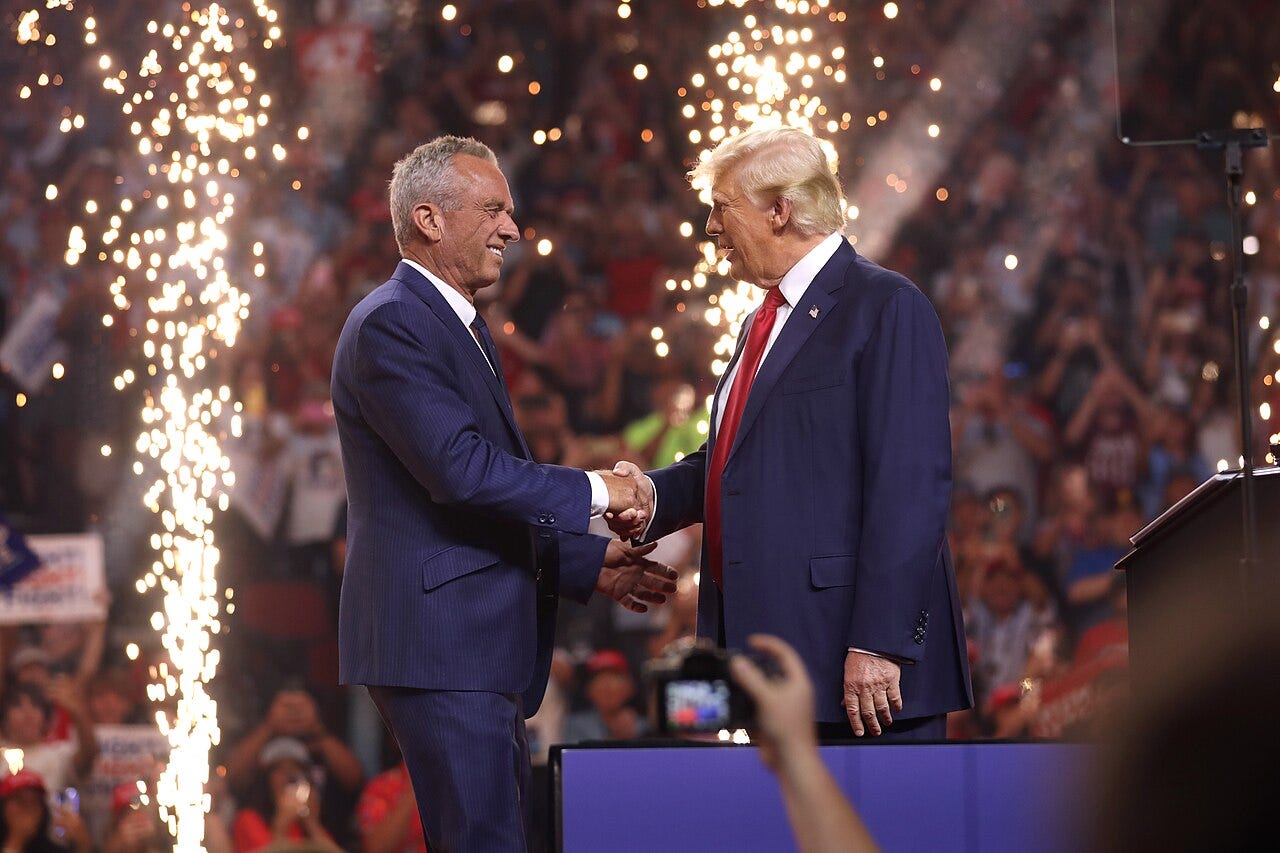
The alarmist press release issued on September 22 by the White House about the link between taking Tylenol during pregnancy and autism in children (sample: “the Fake News immediately went into frenzied hyperventilation with their usual smears, distortions, and lies”) has four references to Dr Andrea Baccarelli, dean of the faculty at Harvard T.H. Chan School of Public Health, and his research. But Baccarelli may not be the most reliable source.
In 2023 Baccarelli was paid around $150,000 to be an expert witness in a class action lawsuit against Tylenol’s manufacturers Kenvue, a case the judge ultimately threw out, calling his reports “incomplete, unbalanced and at times misleading.”
Kenvue has faced more than 500 similar lawsuits that were dismissed over lack of evidence. Litigation is big business in the US, with $2.5 billion spent on advertising alone in 2024. , often featuring promises for compensation for injuries and side effects from medication on TV ads and on billboards. “Leads” that respond to the ads are then sold by marketing agencies to the law firms.
Robert F. Kennedy Jr will be familiar with this world. After a brief career as a district attorney he dedicated many years to founding environmental litigation firms that took on lawsuits against corporations, including forcing ExxonMobil and General Electric to clean up waste they’d dumped into rivers. He later began having political aspirations, but was unsuccessful within the Democratic and Libertarian parties. By now well-known for his views as an anti-vaxxer, he suspended his own presidential bid and joined the Republican Party, backed by Trump allies hoping he’d draw votes from Joe Biden. He was finally appointed Health and Human Services Secretary after the party’s 2024 win.
He has also earned $2.5 million in referral fees from Wisner Baum over the years, a law firm that specialises in pharmaceutical cases. After facing an ethics committee following his appointment, he stated he will continue to receive 10% of fees awarded in successful cases that he refers. His son Conor is also an attorney at the firm’s Los Angeles office.
Earlier this year Wisner Baum’s website was advertising that its lawyers were “working to certify a Tylenol autism class action lawsuit in federal court.” (The ad was removed in May but can still be accessed via internet archives). Including a similar mix of cherrypicked information as the White House statement, it encouraged women to get in touch if they had used Tylenol while pregnant and their child was diagnosed with Autism Spectrum Disorder (ASD), or ADHD.
In the weeks leading up to President Trump’s now infamous conference, Kennedy Jr reportedly met with none other than Dr Baccarelli.
Luckily for Kennedy Jr, a host of new claims against Kenvue are expected in the wake of Trump’s announcement.
Old data in, no data out
While many scientists were scratching their heads over the sudden decision to focus on Tylenol as a cause of autism, the FDA approved leucovorin as a treatment for some of its symptoms on the same day as the government’s announcement.
Leucovorin’s most typical use is for cancer patients receiving chemotherapy drugs which can have an adverse effect on cell growth. More specifically, it provides an active form of folate to help cells make DNA. The recommendation to use leucovorin to treat autism stems from a theory that low levels of folate in the brain can lead to a condition in children that causes speech difficulties, seizures and intellectual disability, which could also be early indicators of autism. However experts have cautioned that there is not enough evidence to show it is effective.
Another curious aspect of this story is that the FDA announced it would be working with British pharma giant GSK to revive Wellcovorin, a drug it stopped making in 1997. However a generic form of leucovorin is currently available and manufactured by Leading Pharma, Llc.
The FDA has a disclaimer to say that it can “on the basis of new data, approve an application or abbreviated application which it had previously refused, suspended, or withdrawn approval.” The new data, according to its own website is, “a systematic analysis of literature published between 2009-2024…” This is based on four studies of around 50 to 60 patients each, with three of them done by the same author.
And while the typical approval and label update process can take many months, the US government has asked the FDA to fast-track Wellcovorin so it could be available much sooner. This would ensure that Kennedy Jr has a win following his pledge earlier this year to find a cure for autism by September.
Meanwhile, things have not been rosy at GSK with its shareholders worried over falling stock prices and the patent for its blockbuster HIV drug expiring in the US in 2028.
President Trump met with UK Prime Minister Keir Starmer during his state visit to the UK in mid-September. A key pledge of Trump’s 2024 campaign had been to increase domestic production and raise tariffs on foreign imports, so business was likely to be on the agenda.
Just five days before Trump’s Tylenol press conference, GSK announced it was investing $30bn in research and manufacturing in the US over the next five years, including the construction of a new factory in Pennsylvania. Starmer said the deal “will change lives on both sides of the Atlantic.”